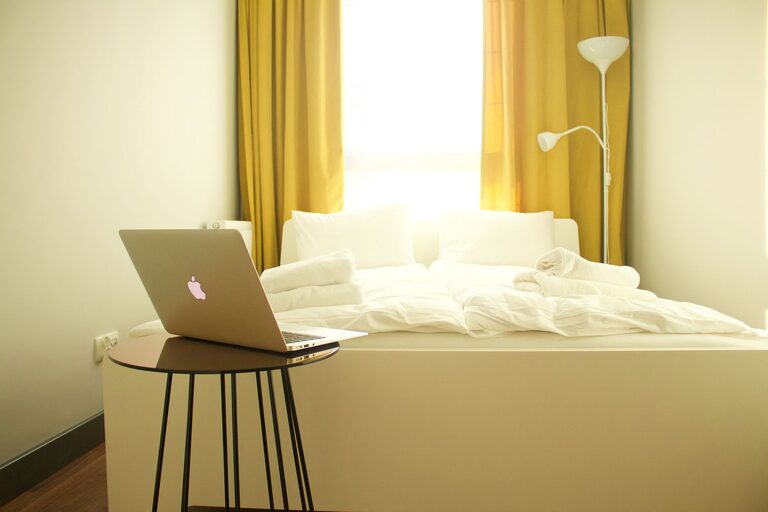
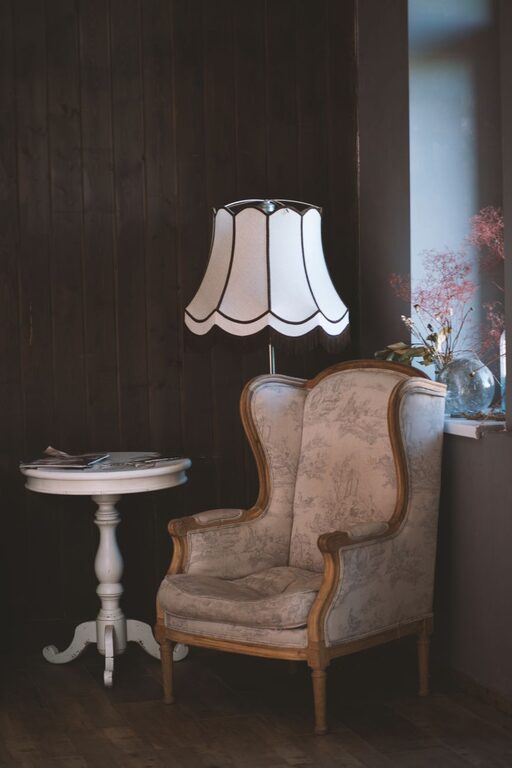
A cozy reading corner can make your home feel more inviting while giving you a quiet place to relax. You do not need a large room or an expensive makeover. With a comfortable seat, good lighting, and a few thoughtful details, almost any unused space can become a favorite spot.
Whether you enjoy novels, magazines, cookbooks, or audiobooks, a dedicated reading area helps create a clear boundary between everyday tasks and personal downtime. Use the ideas below to design a reading corner that fits your space, style, and routine.
Choose the Right Location
Start by looking for an underused area in your home. A reading corner can fit beside a window, at the end of a hallway, in a bedroom, or in a quiet section of the living room. The best location is usually away from heavy foot traffic and distracting noise.
Consider these factors:
– Natural light: A window can make daytime reading more pleasant.
– Privacy: Choose a spot where you can relax without being in the middle of household activity.
– Nearby outlets: An outlet is useful for a reading lamp, phone charger, or small speaker.
– Available space: Make sure there is enough room to sit comfortably and move around the chair.
– Temperature: Avoid areas that feel drafty, overly warm, or exposed to direct sunlight for long periods.
If your home is small, look beyond traditional corners. A wide windowsill, a space beneath a staircase, or one side of a home office may work well. Even a compact chair and wall-mounted shelf can create a complete reading area.
Select Comfortable Seating
The chair is the centerpiece of a reading corner, so comfort should be your first priority. Sit in a chair before buying it whenever possible. Your back should feel supported, and your feet should rest comfortably on the floor or on a footrest.
Popular seating choices include:
Armchair
An armchair offers support and gives the space a defined, welcoming look. Choose one with cushions that are soft but supportive. A chair with wide arms can also provide a convenient place to rest a book or cup.
Lounge Chair
A lounge chair with a slight recline can be a good choice for longer reading sessions. Look for a design that supports your neck and lower back without taking up too much floor space.
Window Seat
A built-in or freestanding window seat can make excellent use of an otherwise unused area. Add a firm cushion, a few pillows, and a washable cover for extra comfort.
Floor Seating
Floor cushions, a low chair, or a padded bench can work well in casual spaces. This option is especially useful in smaller homes, although it may be less comfortable for readers who prefer more back support.
Before finalizing your choice, measure the area. Leave enough room to pull out a footstool, open a nearby cabinet, or walk past the reading corner without bumping into furniture.
Add Layers of Softness
Soft textures make a reading corner feel warm and inviting. Add a throw blanket over the back of the chair for cooler evenings. A small cushion can provide extra lumbar or neck support, while a soft rug can define the area and make it feel separate from the rest of the room.
Try combining a few different textures, such as:
– A woven or knitted blanket
– A cotton or linen cushion
– A small wool or plush rug
– Fabric window coverings
– A padded footstool
Avoid overcrowding the chair with too many pillows or blankets. The goal is to make the space comfortable and easy to use, not difficult to settle into.
Plan the Lighting
Good lighting can make reading more enjoyable and help reduce eye strain caused by dim or uneven light. Natural light is helpful during the day, but you will also need a reliable lamp for evenings and cloudy weather.
A floor lamp beside the chair is a practical choice because it provides focused light without taking up table space. An adjustable reading lamp allows you to direct the light onto the page. If you prefer a table lamp, choose a small side table that leaves enough room for a book and a drink.
Keep these lighting tips in mind:
– Place the light on the side opposite your writing hand to reduce shadows.
– Use a warm, comfortable light that is bright enough for reading.
– Choose an adjustable shade or arm when possible.
– Avoid placing a lamp where it shines directly into your eyes.
– Use a bulb with a suitable brightness for the size of the space.
A dimmer switch can make the corner more flexible. Bright light works well for reading, while softer light can create a relaxing atmosphere when you are listening to an audiobook or taking a break.
Include Practical Storage
Books should be easy to reach, but storage does not need to be complicated. A small bookcase, floating shelf, storage ottoman, or side table with a lower shelf can keep your current reading material nearby.
If you have limited space, consider these options:
– Install one or two wall-mounted shelves.
– Use a narrow bookcase that fits beside the chair.
– Place a basket next to the seat for magazines and blankets.
– Choose a side table with drawers for small items.
– Use an ottoman with hidden storage.
Keep only a small selection of books in the reading corner. A rotating display of current favorites can make the area feel organized and purposeful. Store the rest of your collection elsewhere to prevent the corner from becoming crowded.
Add a Small Side Table
A side table is one of the most useful additions to a reading corner. It provides a place for a book, reading glasses, a cup of tea, or a small lamp. The table should be close enough to reach without stretching, but not so large that it overwhelms the chair.
Look for a table with a stable surface and easy-to-clean finish. If you often leave books open, choose a wider tabletop. For very small spaces, a C-shaped table can slide beneath the chair or sofa when it is not being used.
Use Personal Details
The most inviting reading corners reflect the person who uses them. Add a few items that make the space feel personal without creating visual clutter.
You might include:
– A framed print or favorite photograph
– A small plant
– A decorative bookmark
– A candle or gentle room fragrance
– A nearby basket for reading accessories
– A small clock
– A ceramic cup or water bottle
Choose decorations that support relaxation and are easy to maintain. For example, a low-maintenance plant can add color, while a framed print can make a plain wall feel finished.
Create a Distraction-Free Atmosphere
A reading corner should encourage you to slow down. Keep devices, paperwork, and household supplies outside the area whenever possible. If your phone is a distraction, place it on a nearby shelf rather than directly beside the chair.
You can also create a simple reading routine. Set aside a few minutes in the morning, during a quiet afternoon, or before bed. Keeping a book in the corner makes it easier to begin. Even a short reading session can make the space feel useful and enjoyable.
Keep the Corner Easy to Maintain
An inviting reading corner should not require constant effort. Choose washable covers, durable fabrics, and furniture that is easy to clean. Dust shelves regularly, shake out the rug, and keep books organized so the area remains ready to use.
Review the space every few months. Remove items that are no longer useful, replace worn cushions, and adjust the lighting if your needs change. Small updates can keep the corner comfortable without requiring a complete redesign.
Enjoy Your New Retreat
Creating a cozy reading corner is less about following a specific design style and more about building a space that feels comfortable and convenient. Start with the essentials: a supportive seat, suitable lighting, and a place to keep your books. Then add soft textures and personal details that make you want to stay awhile.
With a little planning, even the smallest unused area can become a peaceful retreat for reading, resting, and enjoying time at home.