
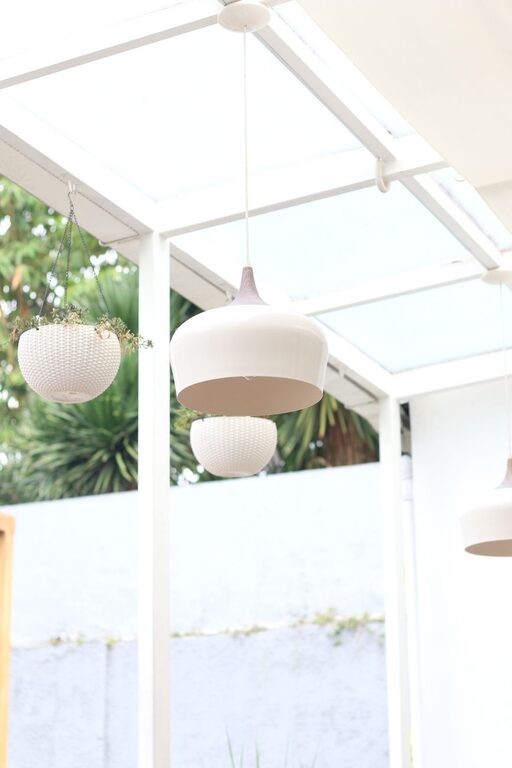
A dark room can feel smaller, quieter, and less inviting than you would like. The good news is that you do not need a major renovation to make it brighter. A few thoughtful changes to lighting, wall color, furniture, and accessories can transform the mood of the space.
Whether you are working with a room that has small windows or one that receives little natural light, these practical ideas can help create a lighter and more comfortable home.
Start With Better Lighting
The fastest way to brighten a dark room is to improve its lighting plan. Instead of relying on one ceiling fixture, use several light sources at different heights.
Layer Your Light
A well-lit room usually includes three types of lighting:
– Ambient lighting: General light from ceiling fixtures, flush mounts, or chandeliers
– Task lighting: Focused light from desk lamps, reading lamps, or under-cabinet fixtures
– Accent lighting: Decorative light from wall sconces, picture lights, or small table lamps
Using a mix of these sources makes the room feel more balanced. Place lamps in darker corners, beside seating, or near shelves that need extra attention.
Choose bulbs with a warm white or neutral white appearance. Very cool bulbs can make a room feel harsh, while warm bulbs can create a cozy glow without making the space look dim.
Use Mirrors to Reflect Light
Mirrors can make a room appear brighter and more spacious by reflecting both natural and artificial light. Place a mirror across from a window if possible, or position one near a lamp so it bounces light into the room.
A large mirror can create the strongest effect, but a group of smaller mirrors can also work well. Consider these options:
– A full-length mirror leaning against a wall
– A round mirror above a console table
– Mirrored cabinet doors
– A collection of small decorative mirrors
Keep the frame style simple if the room already contains many patterns or accessories. A clean design helps the mirror reflect light without adding visual clutter.
Choose Light Wall Colors
Painting the walls is one of the most noticeable ways to brighten a dark room. Soft white, pale gray, cream, light beige, and gentle pastel shades can help reflect more light.
You do not have to choose a plain white. A warm off-white can make the room feel welcoming, while a pale blue or soft green can add color without making the space feel heavy.
Before painting, test a few samples on different walls. Color can look different depending on the direction of the windows and the type of light used in the room.
Consider the Ceiling and Trim
A bright ceiling can make the room feel taller and more open. White or very pale paint is usually a safe choice. Painting the trim in a light shade can also create a clean outline around the room.
If the walls are already a light color, use a finish that reflects some light without appearing overly shiny. Satin or eggshell finishes are often practical for walls because they are easier to clean than flat paint.
Keep Window Treatments Light
Heavy curtains and dark blinds can block natural light, even when they are open. Replace them with lightweight curtains made from linen, cotton, or another loosely woven fabric.
Sheer panels are useful because they soften incoming sunlight while keeping the room bright. Hang curtain rods several inches above the window frame and extend them beyond the sides. This makes the window look larger and allows more light to enter when the curtains are open.
If privacy is important, pair sheer curtains with simple shades that can be raised during the brightest part of the day.
Select Reflective Finishes
Glossy and reflective surfaces can help spread light throughout a room. You do not need to fill the space with shiny furniture. A few carefully chosen details are enough.
Try adding:
– A glass coffee table
– Ceramic vases with a smooth finish
– Metallic picture frames
– A polished floor lamp
– Furniture with light-colored lacquer
– Accessories made from glass or crystal
Balance reflective surfaces with soft textures such as woven baskets, cotton cushions, and fabric upholstery. This keeps the room comfortable rather than overly formal.
Lighten the Floor
A dark floor can absorb light and make the entire room feel heavier. If replacing the flooring is not practical, use a light area rug to create a brighter foundation.
Cream, beige, pale gray, and soft patterned rugs are versatile choices. A rug with a subtle design can add interest without overwhelming the room.
If the room has wood floors, consider a light natural finish or a large rug that leaves a border of flooring visible. This can brighten the space while preserving its original character.
Rearrange the Furniture
Furniture placement can have a major effect on how light moves through a room. Avoid placing tall bookcases, cabinets, or large sofas directly in front of windows.
Instead, keep the area around the window as open as possible. Place taller pieces against solid walls and use lower furniture near light sources.
Also look for crowded corners. Removing one or two unnecessary items can make the room feel larger and allow existing light to travel farther. Leave clear paths between the door, windows, and main seating areas.
Add Light-Colored Furniture and Textiles
Large dark furnishings can dominate a room, especially when natural light is limited. If replacing them is not an option, soften their appearance with lighter accessories.
Consider adding:
– Pale cushion covers
– A cream or light gray throw
– A light-colored slipcover
– Bright bedding
– A neutral ottoman
– Decorative baskets in natural materials
You can still include darker accents, but use them in smaller amounts. A few deep blue, green, or charcoal details can add contrast without making the room feel gloomy.
Bring in a Touch of Greenery
Plants can add life and color to a dark room, but choose varieties that can handle the amount of light available. Low-light houseplants may work well in rooms with limited sunlight, while artificial plants can provide a similar decorative effect without ongoing care.
Place greenery near a window, on a side table, or on an open shelf. Light-colored planters can contribute to the brighter look. Avoid filling every surface with plants, since too much visual detail can make the room feel crowded.
Reduce Visual Clutter
A tidy room often feels brighter than a cluttered one because the eye can move more easily across the space. Start by clearing surfaces and grouping similar items together.
Use attractive storage for everyday objects:
– Baskets for blankets
– Boxes for small accessories
– Closed cabinets for items you rarely use
– Wall hooks for bags and coats
– Floating shelves for selected decorations
Keep a few favorite pieces on display and store the rest. A simple arrangement can make the room feel calmer, cleaner, and more open.
Make Small Changes First
You do not need to complete every idea at once. Start with the changes that are easiest for your space and budget. A new lamp, lighter curtains, or a strategically placed mirror may make an immediate difference.
Next, consider larger updates such as repainting the walls, changing the area rug, or rearranging the furniture. By working in stages, you can see which improvements have the greatest effect.
The goal is not to remove all character from the room. Instead, combine brighter surfaces, better lighting, and thoughtful organization to create a space that feels warm, open, and inviting throughout the day.