
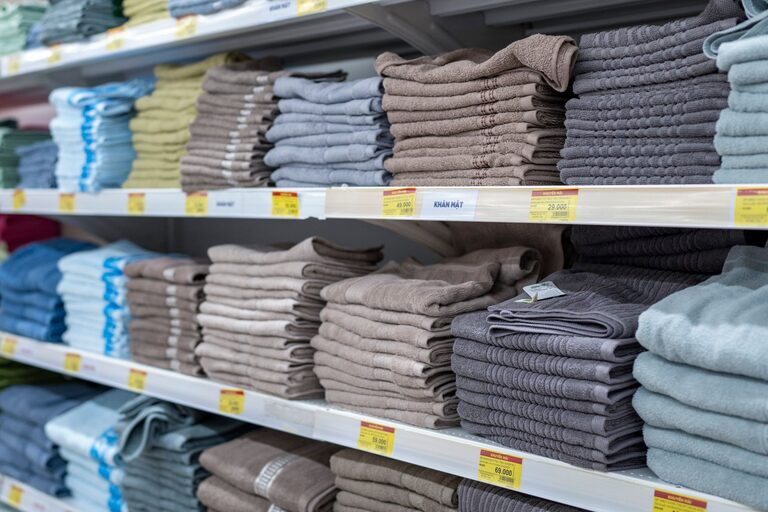
Towels work hard every day, absorbing water, body oils, soap, and moisture. Without proper care, they can develop a musty smell, feel stiff, or lose their softness. The good news is that a few simple laundry and storage habits can help your towels stay fresh, fluffy, and absorbent for much longer.
Wash Towels Separately
Whenever possible, wash towels in their own load. Towels create lint, especially when they are new, and they need enough room to move freely in the washing machine. Washing them separately also prevents zippers, hooks, and rough fabrics from rubbing against the loops.
Avoid washing towels with clothing that has buttons, snaps, or fasteners. These details can pull on towel fibers and cause snags. It is also best to separate heavily soiled towels from lightly used ones.
Do not overload the washer. A tightly packed drum prevents water and detergent from circulating properly. As a general rule, the load should be loose enough for you to place your hand between the top of the laundry and the drum.
Use the Right Amount of Detergent
More detergent does not always mean cleaner towels. Excess detergent can build up in the fibers, leaving towels stiff, dull, or less absorbent. It may also make them harder to rinse thoroughly.
Follow the instructions on your detergent package and adjust the amount for your load size and water conditions. If you have a high-efficiency washing machine, use detergent designed for that type of appliance.
For very soft or lightly used towels, you may be able to use slightly less detergent than you would for heavily soiled laundry. The goal is to clean the fibers without coating them in residue.
Avoid Too Much Fabric Softener
Fabric softener can make towels feel smooth at first, but regular use may leave a coating on the fibers. Over time, this can reduce absorbency and make towels feel less fresh.
If you enjoy using fabric softener, use it sparingly and follow the product directions. Many people find that skipping it altogether helps towels absorb water more effectively.
Choose a Suitable Wash Temperature
Check the care label before washing towels. Most cotton towels can handle warm or hot water, but the recommended temperature may vary by material, color, and finish.
Warm water is often a practical choice for everyday washing because it helps remove body oils and product residue while using less energy than very hot water. Hot water may be useful for some heavily soiled loads, but frequent high-temperature washing can cause colors to fade and fibers to wear more quickly.
Use a gentle or regular cycle according to the care label. A thorough rinse is especially helpful if you notice detergent buildup or a lingering smell.
Add an Occasional Deep-Cleaning Wash
Even with good everyday habits, towels can collect residue over time. An occasional deep-cleaning wash can help refresh them.
Wash the towels according to their care labels using detergent, but skip fabric softener. Some households add a small amount of white vinegar to the rinse compartment to help reduce detergent residue and odors. Never mix vinegar with bleach or other cleaning products, and check your appliance and towel-care instructions first.
Another option is to run an extra rinse cycle. This can be especially useful if towels feel coated, stiff, or less absorbent than they used to.
Deep cleaning should not replace regular washing. It is simply an occasional way to refresh towels when ordinary laundering is no longer enough.
Shake Towels Before Drying
After removing towels from the washer, give each one a quick shake. This separates the fibers and helps prevent towels from drying in a compressed, stiff shape.
Untangle towels before placing them in the dryer. If several towels are twisted together, the inside may remain damp while the outside becomes dry. Separating them also helps air move more evenly through the load.
Do not leave wet towels sitting in the washing machine for hours. Damp, enclosed laundry can quickly develop a musty odor. If you cannot move the load to the dryer right away, rerun a short rinse or wash cycle before drying.
Dry Towels Thoroughly
A dryer can help towels stay fluffy because the tumbling action lifts the loops. Use a medium heat setting unless the care label recommends something different. Excessive heat can weaken fibers, shrink some materials, and make towels feel rough over time.
Avoid overloading the dryer. Towels need room to tumble so warm air can reach every part of the load. If the dryer is packed too tightly, towels may take longer to dry and can come out stiff or damp.
Remove towels promptly when the cycle ends. Folding them while they are still warm can help reduce wrinkles and keep them feeling soft.
Consider Dryer Balls
Reusable wool or dryer balls can help separate towels as they tumble. This may improve airflow and shorten drying time. They can also help fluff the fibers without relying on fabric softener.
Use clean, well-maintained dryer balls and follow the manufacturer’s instructions. If you notice excess lint or damage, stop using them and check whether they are suitable for your towels.
Air-Dry With Care
Air-drying can save energy and is gentle on many fabrics, but towels may feel stiff if they dry too slowly or remain tightly folded. Hang towels fully open on a rack or clothesline, leaving space between items.
Choose a well-ventilated area with good airflow. Avoid draping a wet towel over a crowded rail, chair, or hook where thick layers overlap. If possible, turn towels once while they dry so both sides receive air.
A few minutes in the dryer after air-drying can restore some softness. This short tumble also helps loosen fibers that became firm during line drying.
Prevent Musty Smells Between Washes
A towel should be allowed to dry completely between uses. Hang it spread out rather than leaving it in a heap on the floor, bed, or bathroom counter.
Keep the bathroom ventilated after showers. Use an exhaust fan, open a window when practical, or leave the door slightly open to help reduce humidity. A damp environment makes it harder for towels to dry and can lead to unpleasant odors.
Wash towels regularly based on how often they are used and how quickly they dry. Towels used daily in a humid bathroom may need washing more often than those used occasionally in a well-ventilated space.
Store Towels Properly
Only fold and store towels when they are completely dry. Even slight dampness can create a musty smell in a drawer or linen closet.
Avoid packing shelves too tightly. Leave enough space for air to circulate, and keep the storage area dry and clean. Folding towels neatly helps prevent deep creases, but there is no need to press them flat or stack them under heavy items.
Rotate your towel supply so all towels receive regular use. This prevents a few towels from wearing out while others remain unused for long periods.
Replace Worn-Out Towels
Even well-cared-for towels eventually lose their softness and absorbency. Replace towels when the loops are badly damaged, the fabric has become thin, or persistent odors remain after proper washing and drying.
Choosing durable towels and following a consistent care routine can extend their useful life. With the right balance of detergent, thorough rinsing, complete drying, and good airflow, your towels can stay fresh, comfortable, and fluffy wash after wash.