
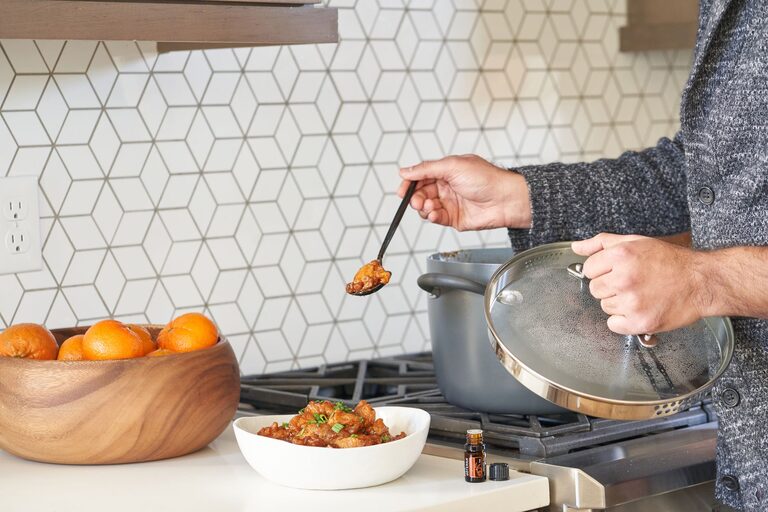
A slow cooker is one of the easiest kitchen tools for making hearty meals with little hands-on effort. It cooks food slowly at a low temperature, allowing ingredients to become tender and flavors to develop over several hours.
Whether you are preparing soup, stew, pulled meat, or a simple vegetable dish, a slow cooker can make everyday cooking more convenient. This beginner guide covers the basics, from choosing the right ingredients to serving and cleaning your appliance.
How a Slow Cooker Works
A slow cooker has a removable cooking insert, a heating base, and a lid. The base gently heats the insert, while the lid helps hold in moisture and heat.
Most slow cookers have three settings:
– Low: Best for long cooking times and tender results
– High: Useful when you have less time
– Warm: Keeps cooked food warm for serving
Slow cookers work best when they are left closed during cooking. Each time you lift the lid, heat escapes and the cooking time may increase. Try to check the food only near the end of the recommended cooking time.
Choosing the Right Size
Slow cookers come in several sizes. A smaller model is useful for dips, side dishes, and meals for one or two people. Medium and large models are better for families or batch cooking.
As a general rule, fill the cooking insert about halfway to two-thirds full. Avoid filling it to the top, because food and liquid may spill or cook unevenly. Do not run the slow cooker when it is nearly empty, since this can affect cooking performance.
If you are unsure which size to choose, a medium slow cooker is a practical option for many households. It can handle soups, stews, shredded meat, and several other everyday recipes.
Preparing Ingredients
Most slow cooker recipes require only basic preparation. Wash and cut vegetables, trim excess fat from meat, and measure liquids before adding everything to the insert.
Some ingredients benefit from extra preparation:
– Meat: Browning meat in a skillet first can add color and flavor, although it is not always required.
– Onions and garlic: Sautéing them briefly can create a deeper flavor.
– Vegetables: Cut firm vegetables into similar-sized pieces so they cook evenly.
– Beans: Use canned beans for convenience, or prepare dried beans according to safe package instructions before adding them.
– Pasta and rice: These can become soft if cooked for too long, so add them later when the recipe recommends.
You can often skip browning when you want a quick, simple meal. However, taking a few extra minutes to brown meat or sauté vegetables can improve the final texture and taste.
Layering Ingredients Correctly
The order of ingredients can make a difference. Place firm, slow-cooking vegetables near the bottom, where they are closest to the heat. Potatoes, carrots, onions, and other sturdy vegetables are good choices for this layer.
Place meat on top of the vegetables, then add seasonings and liquid. More delicate ingredients, such as leafy greens or fresh herbs, are usually best added near the end.
A typical order looks like this:
- Firm vegetables
- Meat or plant-based protein
- Seasonings
- Cooking liquid
- Delicate vegetables, dairy, pasta, or fresh herbs near the end
This arrangement helps ingredients cook evenly and prevents delicate foods from becoming overly soft.
How Much Liquid to Use
Slow cookers lose very little liquid during cooking because the lid traps steam. For this reason, you usually need less liquid than you would in a stovetop recipe.
Use enough liquid to support cooking, but do not completely cover every ingredient unless the recipe specifically calls for it. Too much liquid can make the finished dish watery and reduce the flavor.
Good choices include:
– Water
– Broth or stock
– Tomato sauce
– Canned tomatoes
– Coconut milk
– A small amount of juice or cooking wine, when appropriate
Keep in mind that vegetables and meat also release liquid as they cook. If you are adapting a recipe, start with a modest amount and adjust the consistency after cooking if needed.
Understanding Cooking Times
Cooking times vary depending on the recipe, the size of the ingredients, and the slow cooker itself. A common guideline is that cooking on Low takes roughly twice as long as cooking on High, but the results are not always identical.
Typical cooking ranges may include:
– Soup or stew: 6 to 8 hours on Low
– Boneless chicken: 3 to 5 hours on Low
– Large cuts of meat: 6 to 8 hours on Low
– Vegetable dishes: 4 to 6 hours on Low
Always follow the recipe as your main guide. Cooking times are estimates, and slow cookers can vary. Use a food thermometer to confirm that meat and poultry have reached a safe internal temperature.
Avoid switching between settings repeatedly. If you need to shorten the cooking time, it is usually better to begin on High rather than changing settings several times during the process.
Ingredients to Add Later
Some ingredients should be added near the end to preserve their texture and flavor. Dairy products, pasta, seafood, fresh herbs, and leafy greens can become unpleasant if cooked for many hours.
Try these timing tips:
– Add pasta during the final 20 to 30 minutes, depending on the recipe.
– Stir in dairy products near the end to help prevent curdling.
– Add seafood during the last part of cooking.
– Add fresh herbs just before serving.
– Stir in leafy greens during the final 15 to 30 minutes.
If a recipe includes a thickener such as flour or cornstarch, follow the instructions carefully. In many cases, it works best to add a thickening mixture after the main ingredients have cooked.
Common Slow Cooker Mistakes
A few simple mistakes can affect the final result. Here are some of the most common ones to avoid:
Lifting the Lid Too Often
Opening the lid releases heat and steam. Check the food only when necessary, especially during the first several hours.
Overfilling the Insert
An overfilled slow cooker may cook unevenly and can spill during cooking. Keep the contents below the recommended fill line.
Using Frozen Meat
Frozen meat may spend too long warming through. Thaw meat safely in the refrigerator before placing it in the slow cooker, unless the appliance manual and recipe specifically state otherwise.
Adding Too Much Liquid
Because little moisture evaporates, excess liquid can dilute the flavor. Start with the amount recommended in the recipe.
Cutting Ingredients Unevenly
Large pieces may remain firm while smaller pieces become too soft. Cut ingredients into similar-sized pieces whenever possible.
Adding Dairy Too Early
Milk, cream, and soft cheeses can separate during long cooking. Add them near the end for a smoother result.
Basic Beginner Recipe Formula
Once you understand the basics, you can create simple meals without following a complicated recipe. Try this flexible formula:
– 1 to 2 pounds of meat, poultry, beans, or another protein
– 3 to 5 cups of chopped vegetables
– 1 to 2 cups of broth, sauce, or canned tomatoes
– Seasonings such as salt, pepper, garlic, paprika, or dried herbs
– Optional finishing ingredients, such as fresh herbs, cooked pasta, or cheese
Place the firm vegetables in the insert, add the protein, pour in the liquid, and season. Cook on Low until the ingredients are tender and the protein reaches a safe temperature. Add delicate ingredients near the end, then taste and adjust the seasoning before serving.
Serving and Storing Leftovers
When the meal is finished, turn the slow cooker to Warm only if you plan to serve it soon. The Warm setting is not intended for extended cooking or long-term food storage.
Transfer leftovers to shallow containers and refrigerate them promptly. Store food in the refrigerator and use it within the time recommended for the specific ingredients. You can also freeze many soups, stews, and shredded meat dishes in suitable containers.
For easier cleanup, remove the cooking insert and wash it according to the manufacturer’s instructions. Never place the heating base in water. Wipe the base with a damp cloth instead.
Final Tips for Slow Cooker Success
Start with simple recipes such as chili, vegetable soup, chicken stew, or pulled pork. Follow the instructions closely until you learn how your slow cooker performs.
Remember these key habits:
– Fill the insert halfway to two-thirds full.
– Thaw meat safely before cooking.
– Use less liquid than you would on the stovetop.
– Keep the lid closed as much as possible.
– Add delicate ingredients near the end.
– Check meat with a food thermometer.
– Cool and store leftovers promptly.
With a little practice, a slow cooker can become a reliable part of your kitchen routine.