
Food waste can happen in small ways: buying more than you need, forgetting about ingredients in the refrigerator, or cooking larger portions than your household can eat. Over time, these habits add up and can increase grocery costs while wasting the time, water, energy, and effort used to produce food.
The good news is that reducing food waste does not require a complete lifestyle change. A few simple routines can help you use more of what you buy, organize your kitchen, and make meals easier to manage.
Plan Before You Shop
One of the most effective ways to reduce food waste is to shop with a plan. Before writing a grocery list, check your refrigerator, freezer, and pantry. Look for ingredients that need to be used soon and build meals around them.
Take a quick inventory
You do not need a detailed spreadsheet. A quick check can help you avoid buying items you already have. Pay special attention to:
– Fresh produce
– Dairy products
– Eggs
– Bread and baked goods
– Open containers
– Ingredients near their use-by dates
Keep a short list on your phone or a notepad on the refrigerator. Add items as they run low, then review the list before shopping.
Plan flexible meals
Planning every meal in exact detail can be difficult, especially when schedules change. Instead, plan a few flexible meals and choose ingredients that can be used in more than one dish.
For example, roasted vegetables can be served as a side dish, added to a grain bowl, or mixed into soup. Cooked chicken can be used in sandwiches, salads, or tacos. Flexible ingredients are less likely to be forgotten.
Buy the Amount You Can Use
Large packages and bulk deals may seem like good values, but they can lead to waste if you cannot use the food before it spoils. Buy based on your household’s actual needs rather than the lowest price per item.
Choose smaller amounts when needed
If you are trying a new ingredient or preparing food for a small household, start with a smaller package. You can always buy more later if it becomes a regular part of your meals.
When buying fresh produce, choose individual pieces when possible. This lets you select the amount you expect to eat and avoid bringing home more than you can use.
Be careful with impulse purchases
A special offer is not a bargain if the food ends up in the trash. Before adding an unplanned item to your cart, ask:
– Do I already have something similar?
– When will I use it?
– Do I have room to store it?
– Can I freeze it if I cannot use it soon?
These quick questions can prevent unnecessary purchases.
Store Food Properly
Good storage can extend the life of many foods. When you return from shopping, take a few minutes to put ingredients in the right place.
Keep older items visible
Move foods that need to be used soon toward the front of the refrigerator or pantry. Place newer items behind them. This simple “first in, first out” habit makes older food easier to notice.
Clear containers can also help you see what you have. If you use opaque containers, label them with the contents and date.
Learn where foods keep best
Some foods last longer in the refrigerator, while others are better stored at room temperature. Follow package instructions and use storage that protects food from moisture, heat, or air.
For example:
– Store leafy greens in a way that limits excess moisture.
– Keep bread in a cool, dry place or freeze it if you will not use it soon.
– Store potatoes and onions separately in a cool, dark, well-ventilated area.
– Keep herbs fresh by trimming their stems and storing them in an appropriate container.
– Place foods that spoil quickly where you will notice them first.
Avoid packing the refrigerator too tightly. Air needs to circulate so that food stays at a consistent temperature.
Understand Date Labels
Date labels can be confusing, and many people throw away food that is still usable. In general, a quality date often indicates when a product may taste best, not necessarily the exact moment it becomes unsafe.
Use your senses and follow food safety guidance. Check the appearance, smell, and texture of an item, but do not taste food that appears spoiled. When in doubt, discard it.
You can also organize your kitchen by date. Place foods with earlier dates near the front and plan to use them first. This reduces the chance that they will be forgotten.
Make Leftovers Part of the Plan
Leftovers are easier to use when they are planned rather than treated as an afterthought. When cooking, consider how extra portions might become another meal.
Cook once, use twice
A batch of roasted vegetables can become a filling for wraps or an addition to pasta. Extra rice can be used in fried rice, grain bowls, or soup. Cooked beans can be added to salads, chili, or quesadillas.
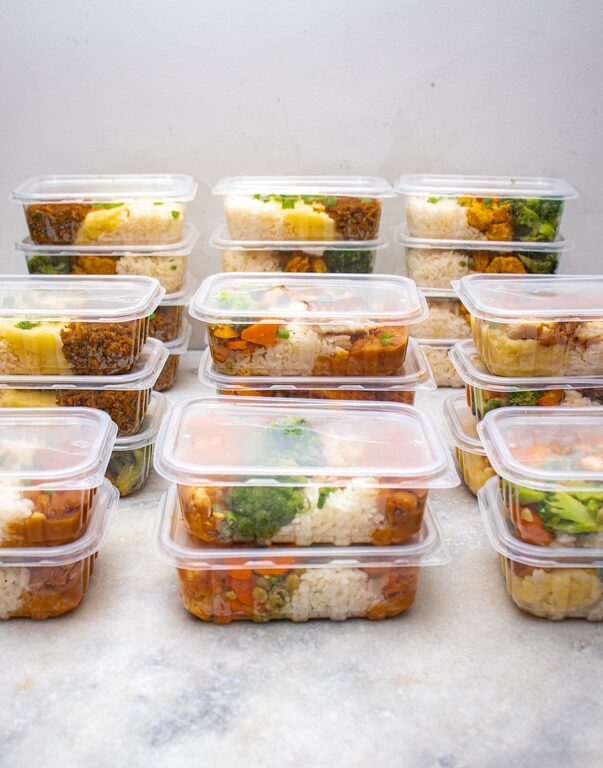
Store leftovers in portion-sized containers so they are easy to reheat. Label each container with the date and place older meals toward the front of the refrigerator.
Set a leftover night
Choose one night each week to eat food already in the refrigerator. This can be a simple buffet-style meal where everyone chooses from available options. It saves cooking time and helps clear out ingredients before they spoil.
If leftovers will not be eaten within a few days, freeze them when suitable. Write the name and date on each container so you can identify it later.
Use More of Each Ingredient
Many parts of food that are often discarded can be used in creative ways. Vegetable stems and trimmings can add flavor to homemade stock. Overripe bananas can be used in smoothies or baked goods. Stale bread can become croutons, breadcrumbs, or a topping for casseroles.
Before discarding an ingredient, ask whether it can be:
– Added to soup or sauce
– Blended into a smoothie
– Cooked into a frittata or stir-fry
– Turned into a snack or dessert
– Frozen for later use
Not every part of every food is edible, so use common sense and follow safe preparation practices.
Serve Practical Portions
Serving too much food at once often leads to unfinished plates. Start with modest portions and let people take more if they are still hungry. This is especially useful when serving children or guests with different appetites.
When eating out or ordering takeout, consider sharing large portions or saving part of the meal for later. At home, serve food from the kitchen instead of placing every dish on the table. This can make it easier to save untouched portions.
Create a Simple Kitchen Routine
Small routines are easier to maintain than occasional major cleanouts. Try setting aside a few minutes each week to:
– Check the refrigerator
– Use produce that is becoming soft
– Freeze food you will not eat soon
– Clean out old containers
– Update your grocery list
– Plan meals around ingredients that need attention
You can also keep a small “use first” section in the refrigerator. Put food that should be eaten soon in this area so it does not get overlooked.
Start With One Change
Reducing food waste is a gradual process. You do not need to change everything at once. Start with one habit, such as planning meals before shopping, storing leftovers in clear containers, or scheduling a weekly leftover meal.
Once that habit becomes routine, add another. Over time, these small actions can help your household save money, simplify meal planning, and make better use of the food already in your kitchen.