
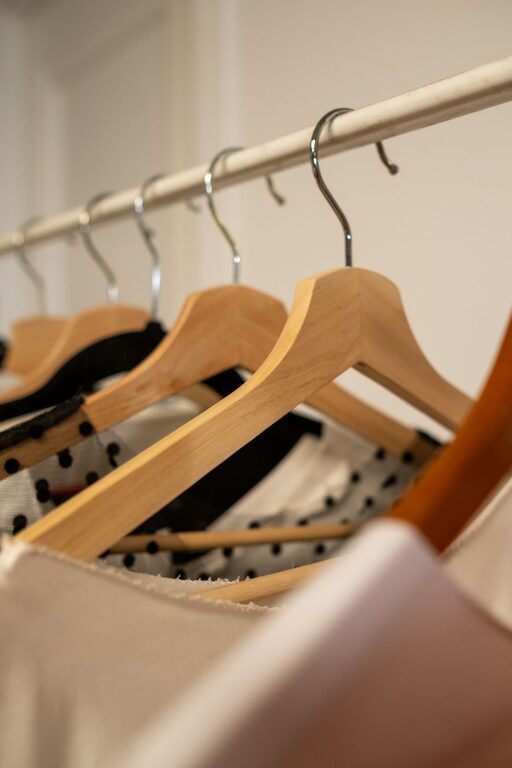
What Is a Capsule Wardrobe?
A capsule wardrobe is a small, carefully chosen collection of clothing that works well together. Instead of filling your closet with items you rarely wear, you focus on versatile pieces that suit your lifestyle, personal taste, and daily routine.
A capsule wardrobe does not have to follow a strict number of items. Some people choose 20 pieces, while others prefer 40 or more. The goal is not to own as little as possible. The goal is to make getting dressed easier and ensure that most of your clothes are useful.
A basic capsule wardrobe can help you:
– Save time when choosing outfits
– Reduce impulse purchases
– Make better use of the clothes you own
– Keep your closet organized
– Develop a clearer personal style
Start With Your Lifestyle
Before buying anything, think about how you spend most of your time. Your wardrobe should support your real life, not an imagined version of it.
Make a list of your regular activities, such as:
– Work or school
– Relaxing at home
– Running errands
– Exercise
– Social events
– Outdoor activities
– Seasonal travel
Consider how often you need casual clothing, professional outfits, comfortable shoes, or weather-appropriate layers. If you work from home, you may need more relaxed clothes than formal office wear. If you walk frequently, comfortable shoes may be more important than dress shoes.
A useful wardrobe begins with your routine. Once you understand what you actually wear, you can avoid buying items that look appealing but do not fit your everyday needs.
Review What You Already Own
Building a capsule wardrobe does not require replacing your entire closet. Start by examining what you already have.
Take everything out of your closet and sort it into four groups:
- **Keep:** Items you wear regularly and enjoy
- **Repair:** Items that need small fixes or alterations
- **Store:** Seasonal pieces you do not currently need
- **Donate or recycle:** Items that no longer fit your life or preferences
Try on pieces that you have not worn recently. Ask yourself:
– Does it fit comfortably?
– Have I worn it in the past year?
– Can I create at least two or three outfits with it?
– Is it in good condition?
– Does it suit my current lifestyle?
You do not need to make every decision immediately. If you are unsure about an item, place it in a separate box for a month or two. If you do not miss it, you may be ready to let it go.
Choose a Simple Color Palette
A coordinated color palette makes it easier to combine your clothes. Start with two or three neutral colors, such as:
– Black
– White
– Gray
– Navy
– Brown
– Beige
– Cream
– Denim
Then add one or two accent colors that you enjoy wearing. These might be green, blue, red, yellow, or any other shades that suit your preferences.
You do not have to limit yourself to a small set of colors. However, choosing colors that work together can help you create more outfits from fewer pieces.
For example, navy, white, gray, and light blue can form a flexible palette. Black, cream, brown, and olive create a different look while still offering many combinations.
Build Around Essential Categories
A basic capsule wardrobe usually includes a mix of tops, bottoms, layers, shoes, and accessories. The exact number of items depends on your lifestyle and the weather where you live.
Tops
Choose a combination of everyday shirts and slightly more polished options. Consider:
– Plain T-shirts
– Long-sleeve shirts
– Button-down shirts
– Sweaters
– A casual blouse or knit top
Look for fabrics and cuts that feel comfortable and work with several bottoms. Neutral tops are useful, but one or two patterned or colorful pieces can add variety.
Bottoms
Select bottoms that match most of your tops. Common options include:
– Jeans
– Trousers
– Casual pants
– Skirts
– Shorts
– Comfortable leggings, if they suit your routine
A well-fitting pair of jeans, a polished pair of trousers, and one relaxed bottom can provide a strong starting point.
Layers and Outerwear
Layers add warmth and help create different outfits. Useful choices may include:
– Cardigans
– Light jackets
– Blazers
– Denim jackets
– Sweaters
– A weather-appropriate coat
Choose outerwear based on your local climate. Someone in a mild area may need only a jacket and light sweater, while someone in a colder region may need a heavier coat and several warm layers.
Shoes
Shoes should match your daily activities and provide comfort. A basic collection might include:
– Everyday sneakers
– Comfortable walking shoes
– Boots or weather-resistant shoes
– Dressier shoes
– Sandals, if appropriate for the season
Avoid choosing shoes only because they look good. Consider whether you can wear them for several hours and pair them with multiple outfits.
Accessories
Accessories can change the appearance of simple clothing without taking up much closet space. Consider:
– A practical everyday bag
– A smaller bag for special occasions
– A belt
– A scarf
– Simple jewelry
– A hat or gloves for seasonal weather
Choose accessories that are easy to use and fit your personal style.
Check for Outfit Combinations
Before buying new items, create outfit combinations with the pieces you already own. A useful test is to see whether a new item works with at least three existing pieces.
For example, a shirt may work with jeans, trousers, and a skirt. A jacket may pair with several tops and both casual and polished outfits.
You can also take photos of outfits that you like. This creates a personal reference guide and makes busy mornings easier. If you often forget about certain items, moving them to a more visible part of the closet may help.
Shop Slowly and Intentionally
Once you identify gaps, make a shopping list. Focus on specific needs instead of browsing without a plan.
Before buying something, ask:
– Do I need this item?
– Does it fit well now?
– Can I wear it in at least three ways?
– Does the color work with my wardrobe?
– Is the fabric suitable for how I will use it?
– Will I care for it properly?
– Do I already own something similar?
Pay attention to quality, but remember that a higher price does not always guarantee a better item. Look at the stitching, fabric, closures, and care instructions. Choose clothing that seems appropriate for regular use and fits your budget.
Maintain Your Capsule Wardrobe
A capsule wardrobe works best when you review it occasionally. At the beginning of each season, check which items you wear most and whether anything needs repair or replacement.
You can also use a simple one-in, one-out approach if your closet is becoming crowded. This means removing or donating one similar item when you bring in a new one. It is not a strict rule, but it can help maintain balance.
Wash and store clothing according to the care instructions. Hanging some garments, folding others, and using suitable storage for seasonal pieces can help them last longer.
Make It Your Own
There is no single correct capsule wardrobe. Your collection may be colorful, neutral, casual, formal, or a combination of styles. It should reflect your comfort, preferences, climate, and responsibilities.
Start with the clothes you already enjoy wearing. Remove items that create clutter, identify practical gaps, and add new pieces slowly. With a little planning, a basic capsule wardrobe can make your closet more useful while giving you plenty of room for personal expression.