
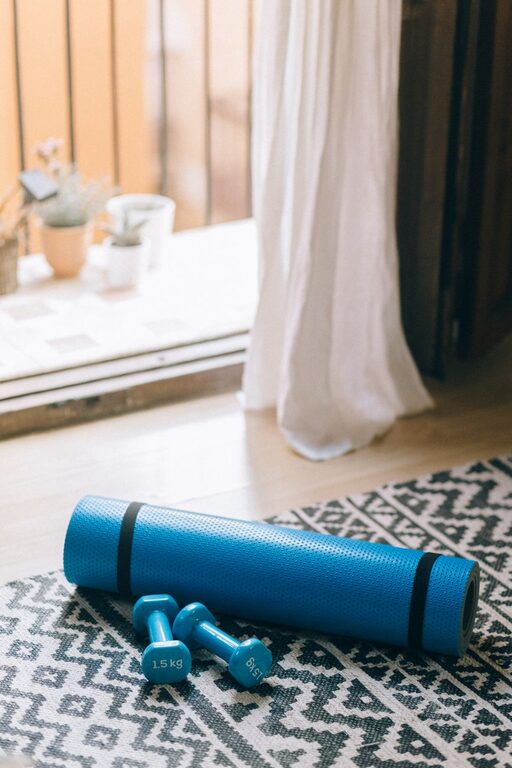
Creating a workout corner at home does not require a large room, expensive machines, or a major renovation. With a small amount of space and a few versatile items, you can build a convenient area that makes movement easier to fit into your day.
A well-planned workout corner should be comfortable, easy to use, and simple to maintain. The goal is to create a space that encourages regular activity without making your home feel crowded. Here is how to get started.
Choose the Right Location
Begin by looking around your home for an open area. A workout corner can fit in a bedroom, living room, home office, basement, or even a wide hallway. You do not need a completely separate room. You only need enough space to move safely.
Check the floor area
Look for a flat, stable surface with enough room to stand, stretch, and move your arms freely. A space of about 6 by 6 feet can work for basic bodyweight exercises, stretching, and floor-based workouts. More space is helpful if you plan to perform exercises that involve jumping, stepping, or swinging equipment.
Before choosing the location, check that:
– Furniture will not block your movement
– Doors and drawers can open fully
– The ceiling is high enough for standing exercises
– The floor is not slippery
– Nearby objects have safe, rounded edges or can be moved away
If possible, choose a spot near natural light. A bright, pleasant area can make the space feel more inviting.
Prepare the Floor
The floor affects both comfort and safety. Hard surfaces can work for standing exercises, but they may feel uncomfortable during stretching or floor movements. Carpet can provide some cushioning, although thick carpet may make balancing exercises less stable.
A basic exercise mat is often the most useful first purchase. It creates a clear workout area, adds comfort, and helps protect the floor from light equipment. Choose a mat that is long enough for you to lie down on and wide enough for basic movements.
You may also want to consider:
– A non-slip surface
– Easy-to-clean material
– Enough thickness for comfortable floor exercises
– A mat that rolls or folds for storage
Avoid placing a mat on a surface where it slides during movement. Test it before using the space regularly.
Start With Versatile Equipment
You do not need to buy everything at once. Begin with a few items that support many different exercises. This keeps costs and clutter under control while helping you learn what you actually use.
Useful starter equipment may include:
– Exercise mat
– Resistance bands
– A pair of light dumbbells
– Jump rope, if you have enough ceiling and floor clearance
– Small exercise ball
– Stable step or low platform
– Foam roller for general stretching and comfort
Resistance bands are especially useful because they are lightweight, affordable, and easy to store. Dumbbells can support a variety of upper-body and lower-body movements. If you are new to home workouts, choose equipment that feels manageable and allows controlled movement.
Avoid buying large machines before you know how often you will use them. A simple corner with a few reliable items is usually easier to maintain than a crowded space filled with equipment.
Add Practical Storage
Good storage keeps the area tidy and makes setup faster. If you have to search for equipment every time you exercise, the space may become less convenient to use.
Use storage that matches the size of your home. Options include:
– A basket for bands and small accessories
– A wall hook for jump ropes
– A narrow shelf for lightweight equipment
– A storage bench with a closed compartment
– A small rolling cart that can be moved when needed
– A vertical stand for mats or foam rollers
Keep heavier items on lower shelves and avoid stacking equipment where it could fall. If you use wall-mounted storage, follow the installation instructions carefully and make sure it is attached securely.
A simple rule can help: every item should have a designated place. After each workout, return the equipment so the corner is ready for the next session.
Improve Lighting and Airflow
A comfortable workout area needs good visibility and fresh air. Natural light is helpful, but a strong lamp can also make a darker corner more practical. Make sure the light does not shine directly into your eyes or create distracting shadows.
Ventilation is also important. If the area feels warm or stuffy, open a window when possible or use a fan placed safely away from your movement path. Keep cords out of the workout area so they do not become a tripping hazard.
You can add a mirror if you want to check your general form and positioning. A mirror is not essential, but it can make a small corner feel more open and help you stay aware of your movements.
Make the Space Inviting
The design of your workout corner can influence whether you want to use it. Keep the style simple and choose details that make the space feel pleasant without adding distractions.
Consider adding:
– A small towel
– A water bottle
– A clock or simple timer
– A speaker placed outside the movement area
– A plant that suits the available light
– A motivating, non-cluttered wall print
Try to keep the area visually clear. Too many decorations or loose objects can make the corner feel smaller and create obstacles.
Plan a Simple Workout Routine
A workout corner is most useful when it supports a realistic routine. Decide when you are most likely to exercise and choose a schedule that fits your day. Short, consistent sessions are often easier to maintain than occasional long workouts.
A simple session might include:
Warm-up
Spend several minutes with gentle movement, such as walking in place, shoulder circles, or easy leg movements. The purpose is to gradually prepare your body for activity.
Main activity
Choose a few movements that match your goals and available equipment. A basic session could combine bodyweight exercises, resistance bands, light dumbbells, and simple mobility work.
Cool-down
Finish with slower movements and comfortable stretches. Give yourself time to return to a relaxed pace before moving on to the rest of your day.
Write down a few workout ideas and keep them near the space. This removes the need to decide what to do each time you exercise. You can also create a short list for busy days and a longer option for days when you have more time.
Keep Safety in Mind
Before each session, check that the floor is clear and the equipment is in good condition. Look for worn bands, loose handles, cracked surfaces, or unstable platforms. Replace damaged items rather than continuing to use them.
Use controlled movements and choose equipment that matches your current experience. Make the workout easier when needed, and stop if an exercise causes sharp or unusual discomfort. If you are unsure how to perform a movement, use a reliable instructional source or work with a qualified fitness professional.
Keep small equipment away from children and pets when it is not in use. Store items securely so they do not create hazards in shared living areas.
Update the Corner Over Time
Your workout corner does not need to be perfect from the beginning. Use it for a few weeks and notice what works well. You may discover that you need better storage, a different mat, or more open floor space.
Add equipment only when it solves a specific problem or supports an activity you enjoy. You can also refresh the space by rearranging furniture, improving lighting, or creating a simple weekly schedule.
The best home workout corner is one you can use comfortably and consistently. Start with a safe open area, add a mat and a few versatile tools, and keep the setup organized. With these basic steps, even a small part of your home can become a practical place for regular movement.