
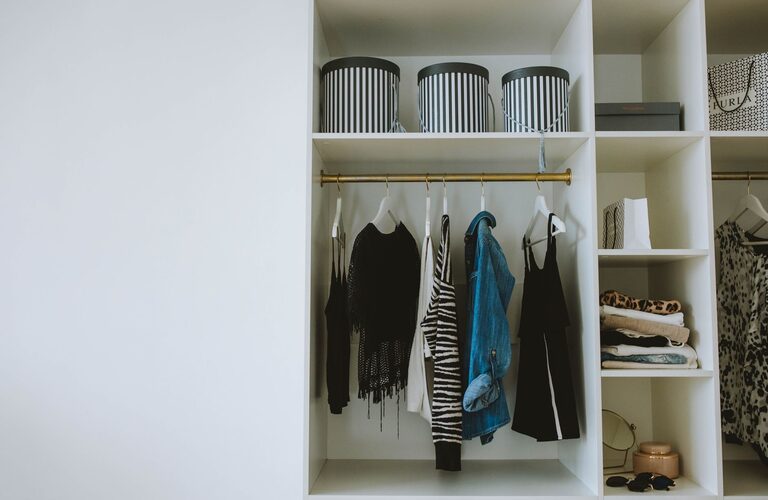
A tidy closet can make mornings easier, protect your clothes, and help you use your space more efficiently. The key is not simply organizing everything once. It is creating a system that fits your daily habits and is easy to maintain.
Whether you have a spacious walk-in closet or a small reach-in space, a few thoughtful changes can make a big difference. Use these practical tips to create a closet that stays organized long after cleaning day.
Start With a Complete Reset
Before buying storage containers or rearranging shelves, remove everything from the closet. Working with an empty space makes it easier to see what you own and how much room you really have.
Place clothing, shoes, accessories, and other items in separate groups. As you sort, ask yourself:
– Do I use this regularly?
– Does it fit well and feel comfortable?
– Is it in good condition?
– Would I choose to buy it today?
– Does it belong in the closet?
Set aside items that need repairs, cleaning, donation, recycling, or another storage location. Avoid putting things back simply because they were already in the closet. Every item should have a clear reason for staying.
Sort Items Into Useful Categories
Once you have reduced the clutter, organize what remains into categories that match the way you get dressed. You might group items by type, such as:
– Shirts and blouses
– Pants and skirts
– Dresses and suits
– Sweaters and jackets
– Workout clothing
– Sleepwear
– Shoes
– Bags and accessories
You can also organize clothing by season, color, or how often you wear it. The best method is the one that helps you find things quickly. If you usually choose an outfit by clothing type, keep similar items together. If you prefer to plan outfits by color, arrange each category from light to dark.
Keep frequently used items in the easiest-to-reach locations. Less-used seasonal clothing can go on higher shelves, under the bed, or in another designated storage area.
Use the Closet’s Vertical Space
Many closets have unused space above hanging clothes or near the floor. Make the most of these areas with simple storage solutions.
Consider adding:
– Shelf dividers for folded clothing
– Stackable bins for accessories
– Hanging organizers for shoes or small items
– Hooks for belts, scarves, and bags
– A second hanging rod for shorter garments
– Storage boxes for seasonal clothing
Use the floor for shoes or low storage baskets, but avoid filling it so completely that cleaning becomes difficult. Leave enough space to see and reach what is stored there.
If you use bins, choose clear containers or label each one. Labels are especially helpful for items that are used only occasionally.
Choose the Right Hangers
Matching hangers can make a closet look calmer and help clothing hang evenly. Slim, nonslip hangers are useful when space is limited, while sturdy wooden hangers work well for heavier jackets and coats.
Use the same type of hanger for similar clothing whenever possible. Avoid overcrowding the rod, since tightly packed clothes are harder to see and may become wrinkled.
You can also use hanger direction as a simple tracking system. Turn all hangers backward at the start of the year. After wearing and washing an item, return it with the hanger facing the usual direction. After several months, you will have a clear view of what you actually wear.
Fold Clothing Carefully
Not every item needs to be hung. Fold sweaters, T-shirts, athletic clothing, jeans, and other stretchable pieces to help them keep their shape.
Vertical folding can make drawers and shelves easier to use. Instead of stacking clothing in tall piles, fold each item into a compact rectangle and place it upright. This allows you to see several pieces at once without disturbing the entire stack.
Avoid storing heavy sweaters on thin hangers, as the weight can stretch the shoulders. If you need to hang delicate pieces, use padded hangers or fold them carefully.
Create a Home for Small Items
Small accessories often cause the most clutter because they are easy to drop anywhere. Give each type of item a specific home.
For example:
– Store belts on hooks or a hanging rack.
– Keep scarves in a small basket or drawer divider.
– Place jewelry in a compartmented tray.
– Use a dedicated shelf or bin for hats.
– Keep handbags upright with shelf inserts or dividers.
– Store socks and undergarments in separate drawer sections.
When every item has a designated location, putting things away takes less time. Avoid using one large “miscellaneous” bin, since it can quickly become difficult to sort.
Organize Shoes by Use
Shoes can take up valuable floor space, so arrange them in a way that keeps your most-used pairs accessible. Place everyday shoes near the front of the closet and move special-occasion or seasonal pairs to higher shelves or storage boxes.
A shoe rack, cubby, or clear box can prevent pairs from becoming scattered. If you store shoes in boxes, label them or take a photo of each pair and attach it to the outside. This makes it easier to find what you need without opening every container.
Allow shoes to dry and air out before storing them. Keeping them clean also helps protect the closet and nearby clothing.
Keep a Donation and Repair Plan
A tidy closet can become cluttered again when unwanted items have nowhere to go. Keep a small bag or box nearby for clothing and accessories you no longer use. When it becomes full, sort the contents and take them to an appropriate donation or recycling location.
Create a separate place for items that need mending, cleaning, or tailoring. Set a time limit for completing these tasks. If an item remains untouched for months, consider whether it is worth keeping.
This approach prevents damaged or unwanted items from returning to the main part of your closet.
Maintain the System With Small Habits
The easiest way to keep a closet organized is to avoid letting clutter build up. A few small habits can make a lasting difference:
– Put clothing away as soon as it is clean and dry.
– Return shoes and accessories to their assigned places.
– Hang or fold clothes instead of leaving them on a chair.
– Remove one item when adding several new ones.
– Straighten one shelf or drawer each week.
– Review seasonal clothing before storing it.
– Keep the floor clear enough to vacuum or sweep.
A five-minute reset at the end of the day can often prevent a much larger cleanup later.
Review the Closet Seasonally
At the start of each season, review what you own and adjust the closet layout. Move current-season clothing to the most accessible areas and store items you will not need for several months.
Before storing clothing, make sure it is clean and completely dry. Use breathable storage containers for most garments, and avoid packing items so tightly that air cannot circulate. Keep storage areas cool, dry, and protected from moisture.
A seasonal review is also a good time to check for items that no longer fit your lifestyle. Removing them keeps the closet useful and prevents unnecessary crowding.
Make Organization Easy to Continue
The best closet system is one you can maintain without extra effort. Keep everyday items within reach, avoid overly complicated storage methods, and leave a little open space for future changes.
A tidy closet does not have to look perfect at all times. It simply needs to help you find what you need, put things away easily, and recognize when clutter starts to return. With clear categories, practical storage, and regular small resets, your closet can stay organized as part of your normal routine.